Introduction:
Our homes serve as more than just shelters; they are havens that shape our daily experiences, provide comfort, and reflect our individuality. The design of our living spaces plays a vital role in fostering a deep emotional connection. In this blog, we will explore the reasons why a well-designed home is essential for cultivating that emotional bond.
1. Personal Expression and Identity:
A well-designed home acts as a canvas for self-expression, allowing us to curate an environment that reflects our personality, values, and interests. Every color, texture, and piece of furniture can contribute to creating a space that resonates with our individuality. Surrounding ourselves with objects and elements that we love and identify with helps us feel a sense of belonging and comfort in our own space.
2. Nurturing Well-being and Comfort:
Thoughtful design choices in our homes can significantly impact our emotional well-being. Natural light, for instance, has been linked to improved mood, productivity, and overall health. A well-designed home maximizes the use of natural light through strategic placement of windows and open spaces, fostering a sense of vitality and connection with the external environment. Additionally, considerations such as ergonomic furniture, proper ventilation, and acoustics can enhance our physical comfort, promoting a tranquil and stress-free atmosphere.
3. Creating Functional and Efficient Spaces:
An intelligently designed home optimizes the use of available space, ensuring functionality and efficiency. When our living spaces are well-organized and tailored to our needs, it reduces clutter, enhances productivity, and fosters a sense of order. Whether it’s a well-designed kitchen that inspires culinary creativity or a cozy reading nook that invites relaxation, each space serves a purpose and contributes to our overall enjoyment of the home.
4. Promoting Social Interaction and Connection:
A well-designed home has the power to bring people together and strengthen social bonds. Open floor plans, for instance, encourage interaction and facilitate communication among family members and guests. Thoughtfully placed seating areas, gathering spaces, and comfortable nooks can foster meaningful conversations, laughter, and shared experiences. By creating an environment that supports social connection, our homes become places where cherished memories are made and relationships flourish.
5. Aesthetics and Emotional Stimulation:
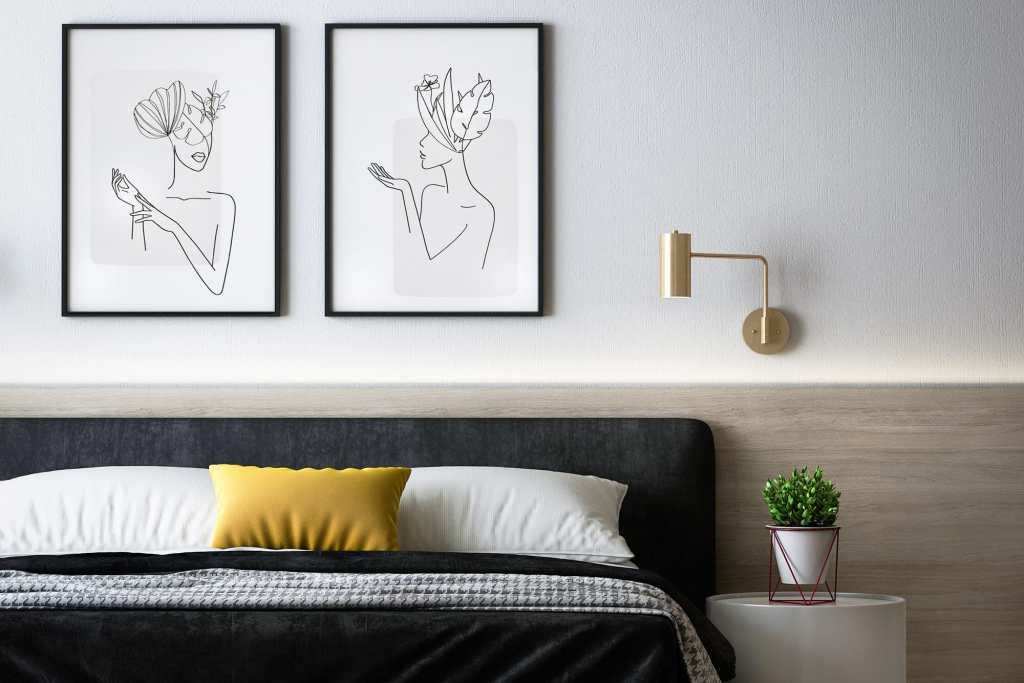
The aesthetics of our homes greatly influence our emotional state. Aesthetically pleasing design elements, such as harmonious color palettes, visually appealing textures, and balanced proportions, evoke positive emotions and enhance our overall mood. Artwork, photographs, and personal mementos displayed throughout the home add sentimental value and create emotional connections to our past, reminding us of meaningful experiences and loved ones.
Conclusion:
A well-designed home goes beyond mere functionality; it becomes a sanctuary that nurtures our emotional well-being, strengthens relationships, and reflects our individuality. From promoting self-expression and identity to fostering social interaction and comfort, the design choices we make significantly impact our emotional connection to our living spaces. By investing time and effort into creating a well-designed home, we cultivate an environment that supports and uplifts us, fostering a sense of emotional attachment that lasts a lifetime.
EMOTIONAL RESONANCE
Emotionally Designed Spaces: Weaving Feelings into Your Interior with Unique Detailing
Unveiling the Connection Between Space and Feelings
 EMOTIONAL RESONANCE
Leave a comment